
The digital transformation of dentistry is no longer something on the horizon. It’s happening right here, right now across dental practices in the UK. More dentists are investing in advanced imaging, smart diagnostic systems, and fully digital workflows, reshaping not just how care is delivered but where it’s delivered.
From panoramic imaging to AI‑enhanced diagnostics, today’s clinical equipment is more sophisticated than ever. And with that sophistication comes new requirements: rooms designed specifically for the equipment, proper power distribution, data connectivity, and future‑proofing to support rapid technological change.
In this article, we explore what every dentist and practice owner needs to know.
1. Advanced Imaging Equipment Needs Purpose‑Built Rooms
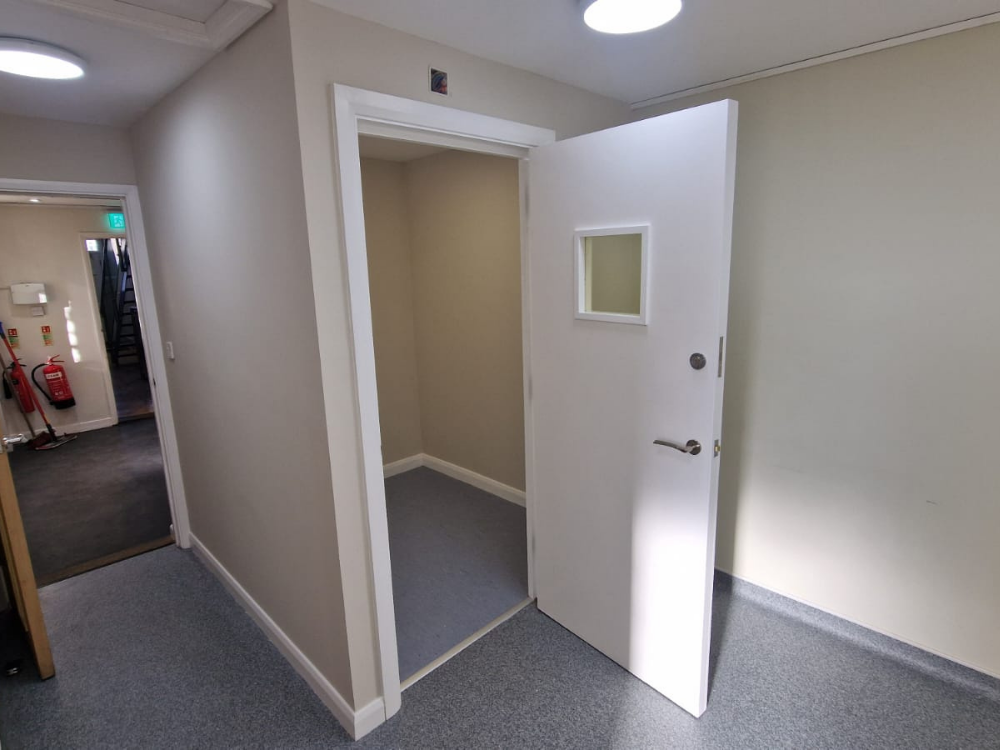
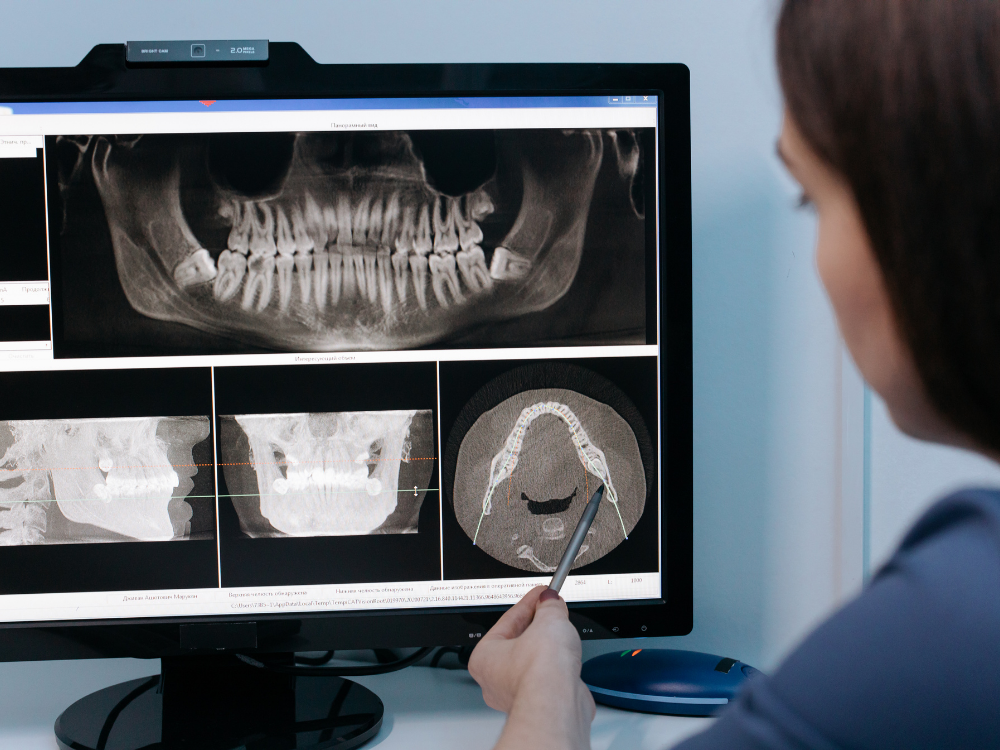
Modern imaging systems, such as digital panoramic X‑ray units, CBCT scanners, and enhanced 2D imaging, now come with greater power demands and more complex installation requirements.
Recent industry updates highlight just how advanced imaging technology has become. There is an increasing demand for precise installation environments and infrastructure to support them.
But the technology is only one part of the equation. For imaging suites to operate safely, efficiently, and within regulatory standards, practices need:
- Controlled radiation zones
- Reinforced walls or shielding compliance
- Stable, clean power supply
- Ventilation and temperature control to protect sensitive hardware
- Space planning for accessibility and flow
Without purpose‑built rooms, even the best equipment can underperform or become non‑compliant.
And that’s where we come in.
At Excel Building Contractors, we have extensive experience in all these areas, working with dental professionals up and down the country to ensure they have compliant, efficient and future-proof professional spaces to get the most out of these new technology offerings.
2. Smart Diagnostics Require Integrated Power & Data Infrastructure
AI‑enhanced dentistry is becoming more mainstream, with industry articles emphasising how practices are designing spaces for tech‑enhanced patient journeys and AI‑powered clinical tools.
Smart diagnostics often include:
- AI radiology tools
- Digital scanners
- Real‑time analytics systems
- Cloud‑connected devices
These systems rely on stable network connectivity, dedicated data ports, and correct cabling routes built directly into the walls, cabinetry, and equipment positions.
Retrofitting these elements later is significantly more expensive, which is why early planning is essential.
We work with multi-functional, multi-disciplined teams right from the start of your project, to ensure everything is correctly specified and scheduled into the project programme for seamless build and fit-out phases.
3. Digital Workflows Need Dedicated, Connected Work Zones
Digital workflows, particularly those responsible for integrating imaging, diagnostics, treatment planning, and patient communication, create new functional zones within a practice.
These zones benefit from:
- Hard‑wired data points for reliability
- Sufficient clean power outlets
- Space for servers or network equipment, if used
- Mounted screens and planning stations
- Optimised lighting for scanning and photography
Practices adopting full digital journeys are increasingly planning these areas during the design phase, not as afterthoughts.
Industry guidance stresses the need for design that supports advanced workflows and integrates equipment seamlessly, so clinicians can move from capture to diagnosis to treatment planning without friction.
4. Why Future‑Proofing Your Rooms Matters
As imaging and diagnostics continue to evolve, today’s rooms must anticipate tomorrow’s technology.
Practice owners benefit from:
- Extra conduit runs for future data or power upgrades
- Wall space and structural reinforcement for future larger or heavier imaging units
- Cabinetry and joinery that accommodate new devices
- Flexible layouts that adapt to rapid tech advancement
These days, entire buildings, such as former banks or retail units, are being transformed into fully digital, tech‑ready dental practices.
This trend underscores the need for flexibility and robust infrastructure built from day one. Flexibility and expertise that comes as second nature with Excel Building Contractors.
5. The Cost of Not Planning Your Power/Data Layout
Without wanting to sound negative, there are some immediate risks and costs associated with not addressing these areas from the get go.

Poor planning leads to common issues such as:
- Equipment repeatedly tripping circuits
- Insufficient data points for digital devices
- Weak network performance interrupting cloud diagnostics
- Unsafe trailing cables
- Non‑compliant imaging installations
- Increased maintenance costs due to retrofit fixes
Many of these problems stem from fitting advanced tech into a space that wasn’t designed to support it.
A correctly planned room saves money, prevents downtime, and enables smoother adoption of future upgrades.
6. Steps to Get Your Practice Tech‑Ready
If you’re planning a refurbishment or new build, consider:
(i) Conducting a full technical needs analysis
List every imaging, diagnostic, and digital system you plan to use now and in the next 5–10 years.
(ii) Mapping out power and data points early
Work with your design and build company to ensure devices have appropriate electrical loading, surge protection, and data connectivity.
(iii) Designing purpose‑built rooms
Imaging rooms, scanning suites, digital design stations, and decontamination areas all benefit from dedicated planning.
(iv) Using dental‑specific contractors
Specialist dental builders have deep knowledge of compliance standards, equipment specs, and clinical workflows. This is something mainstream construction companies typically lack and can end up costing you more money in the long run.
Wrapping Up
As practices continue investing in advanced imaging, smart diagnostics, and digital workflows, the physical environment must evolve with the technology. Purpose‑built rooms, correctly configured power and data planning, and future‑focused design are no longer optional—they’re essential.
The practices that invest in their infrastructure today will be the ones best equipped to deliver seamless, modern, patient‑centred dentistry tomorrow.
If you’re considering advanced digital equipment in your surgery and need building alterations or enhancements, give us a call on 020 8820 0853 for a no obligation chat.