
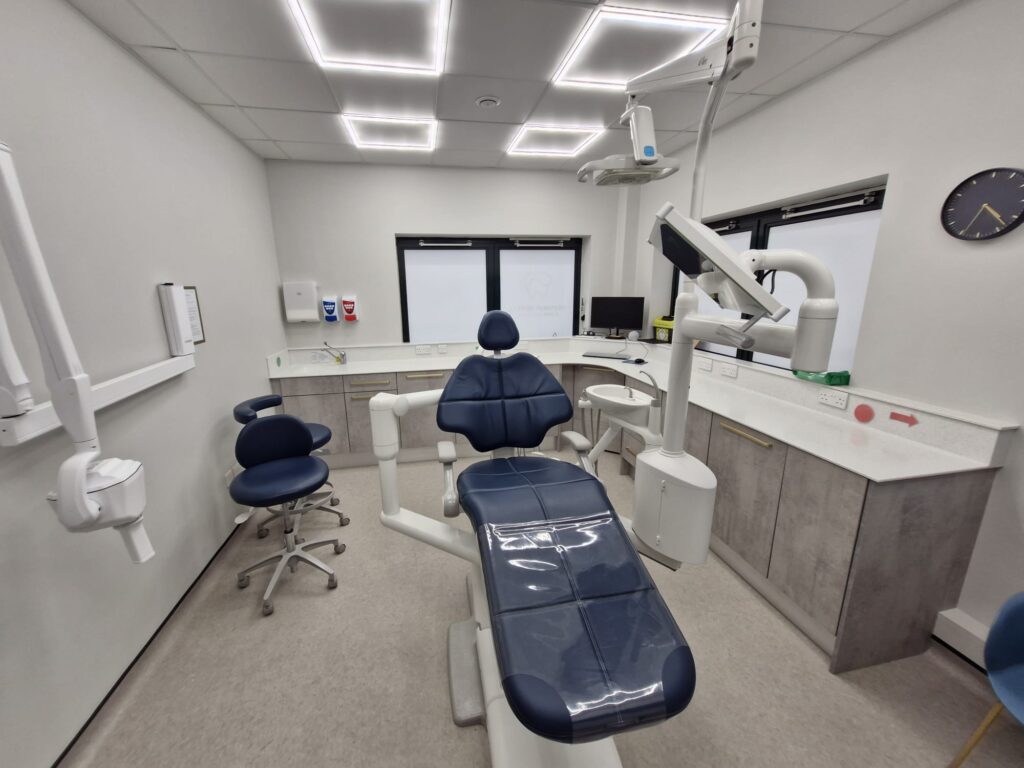
In dental practice design, the smallest details often have the biggest impact. A few centimetres in cabinetry placement, the positioning of a scanner, or the workflow between treatment rooms can influence efficiency, patient experience, and even clinical outcomes. That’s why we believe great design starts with clinical thinking.
While we bring together architectural designers, interior specialists, project managers, and construction experts, our approach is rooted in understanding how a dental practice actually functions on a day-to-day basis. We don’t simply design attractive spaces; we design environments that support clinicians, staff, and patients at every touchpoint.
Looking Beyond the Floor Plan
Traditional architects are trained to think about space, aesthetics, structure, and building performance. These skills are essential to any successful project. However, dental practices require an additional layer of understanding.
Every treatment room, decontamination area, consultation space, and staff zone has a specific purpose that must align with clinical workflows and regulatory requirements. A layout that appears efficient on paper can quickly become frustrating if it doesn’t support the realities of patient care.
Our designers approach every project by asking questions a clinician would ask:
- How does the patient journey flow from reception to treatment?
- Can the dental team move efficiently between procedures?
- Are instruments and equipment positioned for ergonomic working?
- How can infection control requirements be seamlessly integrated?
- Where can future technologies be accommodated?
By thinking this way, we create practices that work as well as they look.
The Difference Is in the Detail
The phrase “detail obsessed” isn’t a slogan for us; it’s a design philosophy.
Consider a treatment room.
A traditional architect may focus on dimensions, lighting, and finishes. We focus on those elements too, but we also think about how the clinician interacts with the space throughout the day.
We evaluate:
- Equipment positioning and accessibility
- Clinical sightlines
- Chair orientation
- Storage efficiency
- Data and power requirements
- Future equipment upgrades
- Daily operational workflows
These decisions may seem minor individually, but collectively they significantly influence productivity and comfort.
Over hundreds of procedures each month, small efficiencies become major advantages.
Designing for the Clinical Team
The best dental practices don’t just serve patients. They support the people delivering care.
Clinical teams perform highly skilled work that requires concentration, precision, and consistency. Poorly designed environments can create unnecessary strain, increase movement, and introduce inefficiencies.
Our design process pays close attention to ergonomics. We work to minimise repetitive movements, reduce wasted travel paths, and optimise access to equipment and materials. The result is a practice that helps clinicians work comfortably and efficiently throughout the day.
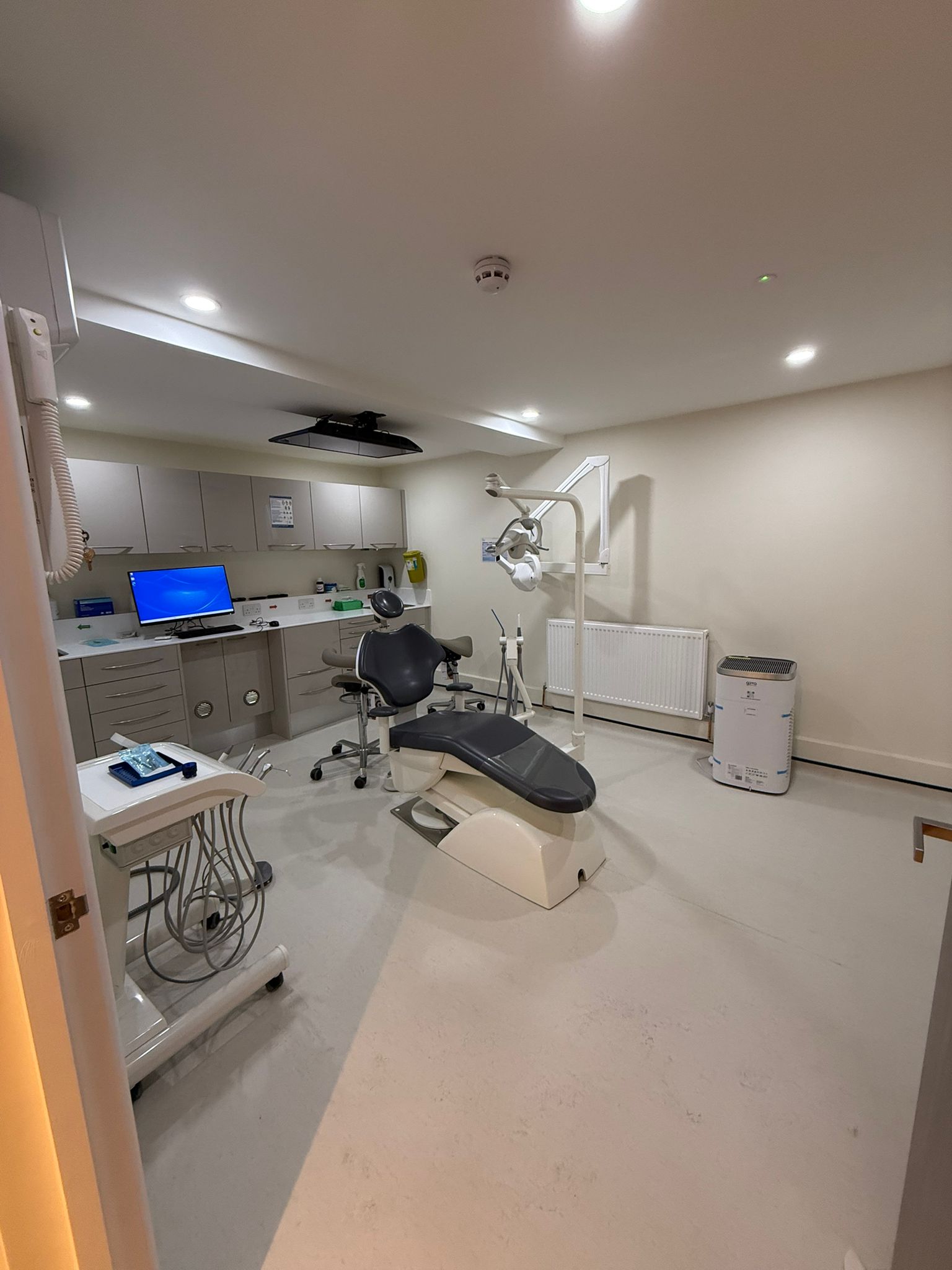
This clinician-first mindset often distinguishes specialist dental design companies from general commercial architects. While designers and architects with general experience bring invaluable expertise in spatial planning and construction, dental environments demand a deeper understanding of how clinical care is actually delivered. That’s why we, at Excel Building Contractors, work with a specialist team of architectural designers, project mangers and delivery teams, all of whom understand the nuances of the dental world.
Balancing Function and Patient Experience
Being clinically focused doesn’t mean compromising on aesthetics. In fact, the most successful dental practices achieve both.
Today’s patients expect welcoming, contemporary environments that inspire confidence. First impressions matter, and design plays a crucial role in shaping perception.
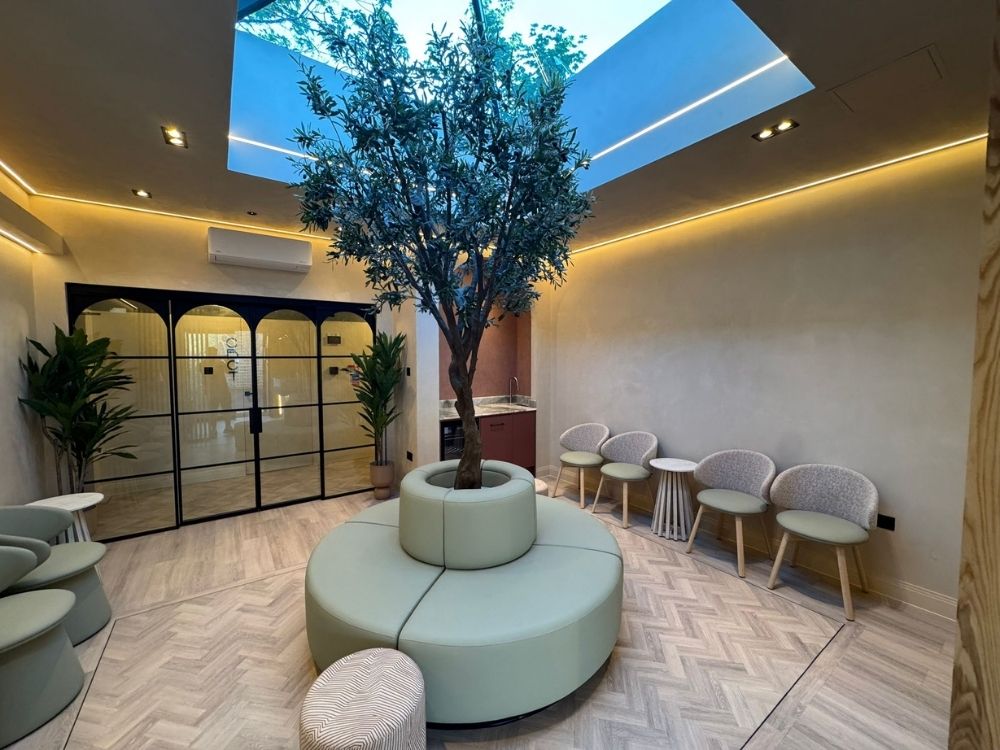
Our designers therefore balance clinical requirements with hospitality-inspired design principles. Reception areas, consultation rooms, waiting spaces, and treatment environments are carefully considered to create a seamless patient experience.
The challenge lies in ensuring that every visual design decision also supports operational performance. Beautiful spaces are important, but beautiful spaces that work brilliantly are even better.
Future-Proofing Every Practice
Clinicians understand that dentistry is constantly evolving. New technologies, treatments, and patient expectations continue to reshape the profession.
That same mindset informs our design process.
We don’t simply design for today’s requirements; we design with tomorrow in mind. Our teams consider potential equipment upgrades, changing workflows, digital integration, and opportunities for expansion.

By combining clinical insight with the expertise of experienced architectural designers, we create practices that remain effective long after the project is handed over.
Why Clinical Thinking Matters
Ultimately, successful dental design is about understanding that a practice is far more than a building. It’s a highly specialised healthcare environment where every design decision can influence efficiency, team wellbeing, and patient satisfaction.
That’s why our designers think like clinicians.
They look beyond colours, finishes, and floor plans to understand how a practice truly operates. They become immersed in workflows, patient journeys, equipment requirements, and compliance considerations. They obsess over details that others might overlook because those details are often what separate a good practice from a great one.
The result is a dental environment that feels intuitive, performs efficiently, and supports exceptional patient care from day one.
Because when it comes to dental practice design, details aren’t just details, they’re everything.
Thinking about developing or refurbishing your dental practice? Contact Excel Building Contractors on 020 8820 0853 or sales@excel-ltd.co.uk to discuss how we can help create a future-ready environment designed to support innovation, efficiency, and exceptional patient care.